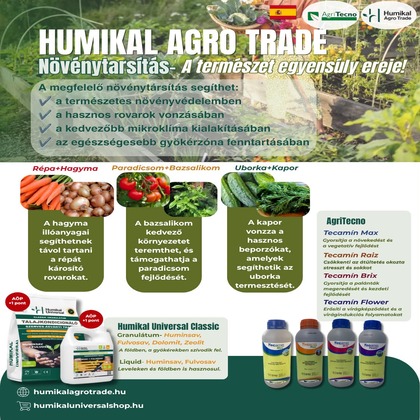
Companion planting is the practice of growing different plant species close to one another in order to create mutually beneficial interactions.
The concept is based on long-standing observations that certain plants can support neighboring crops through their root systems, natural compounds, growth habits, or ecological functions. Other combinations may compete for resources or increase susceptibility to pests and diseases, making plant selection an important part of successful crop management.
A well-designed companion planting strategy can provide several advantages:
Carrots and onions are among the most widely recognized companion planting pairs. The aromatic compounds released by onions may interfere with the ability of certain carrot pests to locate host plants. Likewise, carrots may help reduce pressure from some pests that affect onions.
Basil is frequently grown alongside tomatoes because its aromatic oils can contribute to a more balanced growing environment. Many growers also appreciate its ability to support a favorable microclimate within tomato plantings.
Dill flowers attract a wide range of beneficial insects, including pollinators and natural predators. This makes dill a valuable companion for cucumbers, where effective pollination is essential for optimal fruit production.
The effectiveness of companion planting depends heavily on soil quality. Even the best plant combinations may struggle to perform if the root zone does not provide suitable growing conditions.
Soil structure, water-holding capacity, nutrient availability, and biological activity all play critical roles in plant health and productivity.
Humic and fulvic acids are increasingly recognized for their contribution to soil fertility and root-zone performance. They can help improve nutrient availability, support soil structure, and encourage beneficial microbial activity.
Technologies such as Humikal Universal Classic may help:
Biostimulants are becoming an increasingly important component of modern agricultural and horticultural systems. These solutions are designed to support the plant’s natural physiological processes and improve resilience under challenging growing conditions.
Depending on crop type and growth stage, AgriTecno Tecamin technologies may support:
Successful crop production is no longer determined solely by fertilization programs or plant protection strategies. Sustainable productivity depends on multiple interconnected factors working together within the production system.
Key components include:
The essence of regenerative agriculture is creating synergy between these elements. When soil health, biodiversity, water management, and plant physiology are supported together, growers can build more resilient, productive, and sustainable cropping systems for the future.